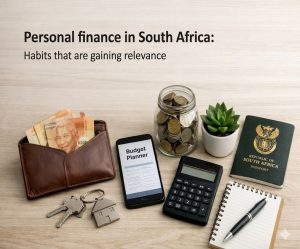

Access to credit tied directly to wages has become a common financial option in South Africa, especially among public servants and formally employed workers. By allowing repayments to be taken automatically from salaries, this model promises convenience and lower default risk.
Yet, beneath its apparent simplicity, this type of borrowing raises important questions about affordability, long-term financial health, and the balance of power between lenders and borrowers, especially when individuals have limited bargaining power or lack full transparency about the long-term costs involved.
Why this credit model attracts so many workers
One of the main reasons payroll-based borrowing gains popularity is its accessibility. Approval processes are often faster, documentation requirements tend to be lighter, and interest rates may appear more competitive compared to unsecured alternatives. For individuals with limited credit histories or past financial setbacks, this structure can feel like a rare opportunity to secure funding for emergencies, education, or debt consolidation.
Automatic repayment also reduces the risk of missed installments, which can help maintain a cleaner credit record. Many borrowers appreciate the predictability of fixed deductions, as it removes the need to remember due dates or manage multiple payments. In theory, this stability can support better financial planning and reduce short-term stress.
The hidden pressure on monthly income
Despite these benefits, automatic deductions can quietly strain household finances. When repayments are taken before salaries reach personal accounts, borrowers may underestimate how much disposable income they actually have. Over time, this can lead to reliance on additional credit to cover everyday expenses, creating a cycle that is difficult to break.
Another concern lies in limited flexibility. If income changes due to job loss, reduced hours, or rising living costs, adjusting repayment terms is often challenging. The deduction continues unless renegotiated, which may leave borrowers with little room to adapt during periods of financial instability.
Long-term implications often overlooked
Beyond immediate affordability, payroll-linked borrowing can shape financial behavior in subtle ways. Because repayments feel automatic, some borrowers become less engaged with their overall debt situation, delaying critical reviews of budgets and priorities.
Over the long run, this detachment may hinder savings growth and reduce resilience against economic shocks, making households more vulnerable to sudden income disruptions or unexpected expenses.
It can also weaken long-term financial planning, as reduced awareness of debt obligations limits the ability to build sustainable financial habits.
👉 Also read: Personal loans in South Africa: how your profile determines costs