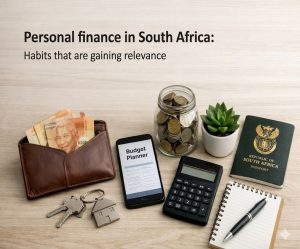

Consumer behavior has a profound effect on finances in South Africa. As societal norms evolve, purchasing habits play a significant role in shaping financial outcomes for individuals and families across the country. This intricate dance between spending and saving is influenced by a myriad of factors, including advertising, social pressures, and the desire for status.
Delving into this topic reveals how modern tendencies impact financial health, raising questions about sustainability and personal well-being amidst the backdrop of a constantly changing marketplace, while also highlighting the role of social pressures, digital trends, and economic inequality.
South African spending habits and their impact on finances
The economic landscape in South Africa is markedly affected by the patterns of expenditure seen among its citizens. A blend of tradition and modernity influences how money is spent, with many people feeling the pressure to keep up with the latest trends. From high-end fashion to the latest tech gadgets, the desire to possess coveted items often supersedes pragmatic financial thinking.
In urban areas, there’s a noticeable shift towards a more materialistic lifestyle, where owning the newest products is seen as a status symbol. This shift can skew individual budgeting priorities, often prioritizing immediate gratification over long-term savings.
The role of advertising and social media
In South Africa, advertising and social media platforms play a pivotal role in shaping consumer attitudes. Brands tap into the aspirations of individuals, making savvy use of digital platforms to promote their goods. This constant influx of persuasive messages makes it difficult for consumers to withstand the allure of new acquisitions. As a result, finances may become strained under the pressure to purchase the latest offerings.
Social media amplifies these desires with influencers showcasing a lifestyle many aspire to emulate. The curated images of success and happiness linked to material possessions can spur unnecessary purchases, prompting people to spend beyond their means. Addressing these dynamics requires awareness and educational interventions about healthy financial practices.
The importance of financial literacy and sustainable spending
As consumer culture continues to evolve, the importance of financial education becomes ever more apparent. Empowering individuals with the knowledge to manage their resources effectively is crucial for fostering sustainable financial habits. Programs aimed at enhancing financial literacy offer tools and strategies to help South Africans make informed spending decisions, ensuring economic stability.
Encouragingly, a growing number of people are becoming aware of the need for prudent financial management and are seeking ways to strike a balance between consumption and savings. By prioritizing education and mindful consumption, South Africans can work towards creating a more sustainable financial future, countering the pressures of a consumer-driven society.
👉 Also read: Personal finance in South Africa: habits that are gaining relevance